
Essential Tree Health Assessments for Property Owners
- Tyler Mcintyre
- Jun 14
- 3 min read

Trees are more than just beautiful additions to our landscapes; they are vital components of our ecosystem. For property owners, maintaining the health of trees is crucial not only for aesthetic reasons but also for safety and environmental benefits. This blog post will guide you through essential tree health assessments that every property owner should consider to ensure their trees thrive.
Understanding Tree Health
Before diving into assessments, it’s important to understand what constitutes tree health. Healthy trees exhibit:
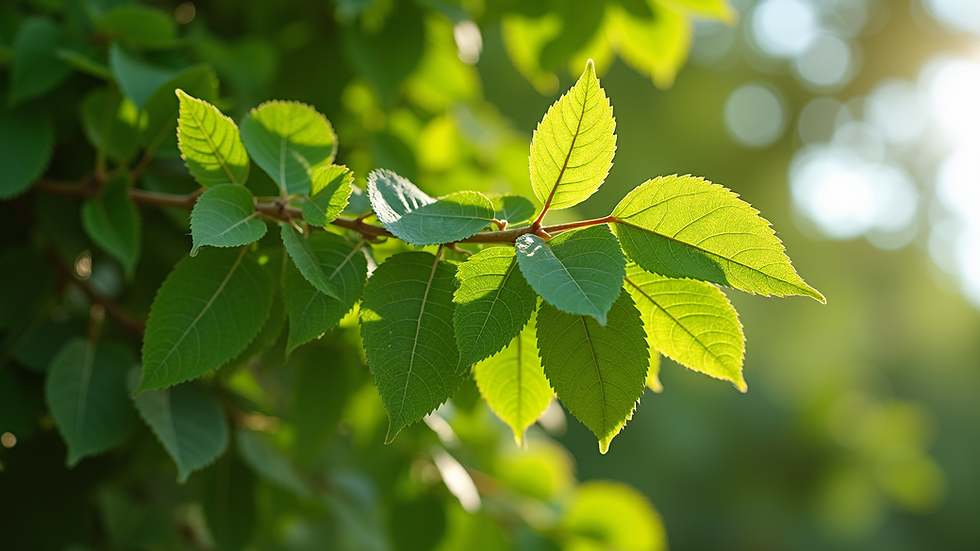
Vibrant foliage: Leaves should be green and free from discoloration.
Strong structure: The trunk should be straight and sturdy, with a well-defined root system.
Pest resistance: Healthy trees can naturally fend off pests and diseases.
Recognizing these characteristics will help you identify potential issues early on.
Regular Visual Inspections
One of the simplest yet most effective ways to assess tree health is through regular visual inspections. Here’s how to conduct one:
What to Look For
Foliage Condition: Check for discoloration, wilting, or premature leaf drop.
Branch Structure: Look for broken or dead branches that may pose a risk.
Trunk Integrity: Inspect for cracks, wounds, or signs of decay.
Root Health: If possible, examine the root zone for signs of rot or damage.
Frequency of Inspections
Conduct visual inspections at least twice a year—once in the spring and once in the fall. This will help you catch seasonal issues early.
Soil Quality Assessment
Soil health is crucial for tree vitality. Poor soil conditions can lead to stunted growth and increased susceptibility to diseases. Here’s how to assess soil quality:
Testing Soil pH
Why It Matters: Trees thrive in specific pH ranges. Most prefer slightly acidic to neutral soil (pH 6.0 to 7.0).
How to Test: Use a soil pH test kit available at garden centers. Follow the instructions for accurate results.
Nutrient Levels
Essential Nutrients: Nitrogen, phosphorus, and potassium are vital for tree health.
Testing Kits: Many garden centers offer nutrient testing kits that can provide insights into your soil's composition.
Soil Compaction
Signs of Compaction: Poor drainage, surface crusting, and limited root growth indicate compacted soil.
Solutions: Aeration can help alleviate compaction and improve root access to nutrients.
Pest and Disease Monitoring
Pests and diseases can severely impact tree health. Regular monitoring is essential for early detection and management.
Common Pests
Aphids: Small, sap-sucking insects that can cause leaf curling.
Bark Beetles: These pests bore into the bark, disrupting nutrient flow.
Caterpillars: Many species can defoliate trees quickly.
Signs of Disease
Fungal Growth: Look for mushrooms or fungal bodies at the base of the tree.
Discoloration: Leaves turning yellow or brown can indicate disease.
Wilting: Sudden wilting can be a sign of root rot or other issues.
Monitoring Techniques
Sticky Traps: Place these around the tree to catch flying pests.
Regular Checks: Inspect leaves and branches for signs of infestation or disease.
Professional Tree Health Assessments
While regular inspections are beneficial, sometimes professional assessments are necessary. Certified arborists can provide in-depth evaluations and recommendations.
When to Call an Arborist
Severe Damage: If you notice significant damage or disease symptoms.
Tree Removal: If a tree poses a safety risk, a professional should handle removal.
Health Assessments: For a comprehensive evaluation of tree health.
What to Expect
Detailed Report: Arborists will provide a thorough assessment, including recommendations for care.
Treatment Options: They can suggest treatments for pests, diseases, or soil issues.
Seasonal Care Practices
Implementing seasonal care practices can significantly enhance tree health. Here are some essential practices:
Spring Care
Pruning: Remove dead or damaged branches to promote healthy growth.
Fertilization: Apply a balanced fertilizer to support new growth.
Summer Care
Watering: Ensure trees receive adequate water, especially during dry spells.
Mulching: Apply mulch to retain moisture and suppress weeds.
Fall Care
Leaf Cleanup: Rake and dispose of fallen leaves to prevent disease spread.
Winter Preparation: Wrap young trees to protect them from winter damage.
Winter Care
Inspect for Damage: Check for broken branches or signs of stress.
Limit Traffic: Avoid compacting soil around trees during frozen ground conditions.
Conclusion
Maintaining tree health is a responsibility that every property owner should take seriously. By conducting regular assessments, monitoring for pests and diseases, and implementing seasonal care practices, you can ensure your trees remain healthy and vibrant. Remember, when in doubt, consult a professional arborist for guidance. Taking these steps not only enhances the beauty of your property but also contributes to a healthier environment.
By prioritizing tree health, you are investing in the longevity of your landscape and the well-being of the ecosystem. Start your assessments today and enjoy the benefits of thriving trees for years to come.
Comments