
Stump Grinding vs. Tree Removal: What You Need
- Tyler Mcintyre
- Jun 14
- 3 min read

When it comes to maintaining your landscape, two common services often come into play: stump grinding and tree removal. While both processes involve dealing with trees, they serve different purposes and come with their own sets of considerations. Understanding the differences between stump grinding and tree removal can help you make informed decisions about your property.
Understanding Tree Removal
Tree removal is the process of cutting down a tree and removing its trunk and branches. This service is often necessary for various reasons, including:
Safety Hazards: Trees that are dead, diseased, or damaged can pose a risk to people and property. Removing such trees can prevent accidents and damage during storms or high winds.
Space Requirements: Sometimes, trees need to be removed to make way for new construction, landscaping, or other projects.
Aesthetic Reasons: Homeowners may choose to remove trees that detract from the beauty of their landscape or block views.
The Tree Removal Process
The process of tree removal typically involves several steps:
Assessment: A professional arborist evaluates the tree's health and location to determine the best removal method.
Preparation: Surrounding areas are cleared to ensure safety during the removal process.
Cutting: The tree is cut down in sections, starting from the top. This method is known as "topping" and helps control the direction of the fall.
Debris Removal: After the tree is down, the trunk and branches are removed, and the area is cleaned up.
Pros and Cons of Tree Removal
Pros:
Eliminates safety hazards.
Frees up space for new projects.
Improves the overall appearance of your landscape.
Cons:
Can be costly, especially for large trees.
May require permits, depending on local regulations.
Leaves behind a stump that may need further attention.
Understanding Stump Grinding
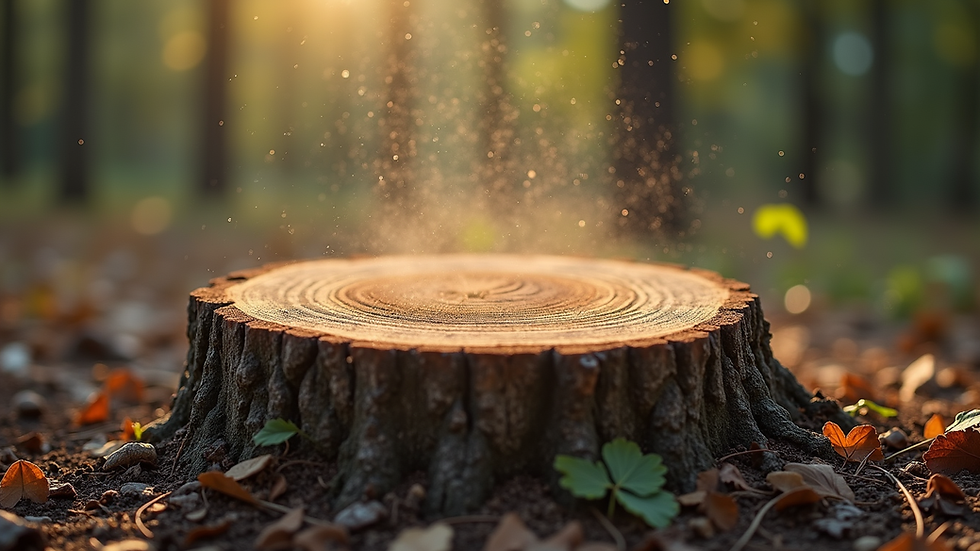
Stump grinding is the process of removing the remaining part of a tree trunk after the tree has been cut down. This service is often overlooked but is crucial for several reasons:
Aesthetic Appeal: Stumps can be unsightly and detract from the beauty of your landscape.
Safety: Stumps can pose tripping hazards, especially in yards with children or pets.
Pest Prevention: Leftover stumps can attract pests like termites and beetles.
The Stump Grinding Process
Stump grinding involves the following steps:
Assessment: A professional evaluates the stump's size and location to determine the best grinding method.
Grinding: A specialized machine grinds the stump down to below ground level, turning it into wood chips.
Cleanup: The wood chips can be left on-site for mulch or removed entirely, depending on the homeowner's preference.
Pros and Cons of Stump Grinding
Pros:
Quickly removes unsightly stumps.
Reduces the risk of pest infestations.
Can be less expensive than full stump removal.
Cons:
Does not remove the entire root system, which may lead to regrowth.
Requires specialized equipment and expertise.
Key Differences Between Stump Grinding and Tree Removal
While both services are related to tree management, they serve different purposes and involve distinct processes. Here are the key differences:
Purpose: Tree removal eliminates the entire tree, while stump grinding focuses on removing the stump left behind.
Process: Tree removal involves cutting down the tree and disposing of the trunk and branches, whereas stump grinding uses machinery to grind the stump into wood chips.
Cost: Generally, stump grinding is less expensive than tree removal, but costs can vary based on the size and location of the tree or stump.
When to Choose Tree Removal
Choosing tree removal is often necessary when:
The tree is dead or dying and poses a safety risk.
The tree is obstructing construction or landscaping plans.
The tree is diseased and could spread illness to other plants.
When to Choose Stump Grinding
Stump grinding is the preferred option when:
You want to improve the aesthetic of your yard without removing the entire tree.
The tree has already been removed, and you need to eliminate the stump.
You want to prevent pest infestations associated with decaying stumps.
Factors to Consider
When deciding between stump grinding and tree removal, consider the following factors:
Cost: Assess your budget and determine which service fits within it.
Safety: Evaluate the safety risks associated with leaving a stump versus a dead tree.
Future Plans: Consider any future landscaping or construction plans that may require tree removal.
Conclusion
Both stump grinding and tree removal play essential roles in maintaining a safe and beautiful landscape. Understanding the differences between the two services can help you make informed decisions about your property. Whether you need to remove a hazardous tree or simply want to eliminate an unsightly stump, consulting with a professional can provide you with the best course of action.
By weighing the pros and cons of each option and considering your specific needs, you can ensure your landscape remains healthy and visually appealing. If you're unsure which service is right for you, reach out to a local arborist for expert advice tailored to your situation.
Comments